Upton Specialised Tree Services
At Upton Specialised Tree Services, we recognise that responsible tree work goes hand-in-hand with ecological awareness. Across the UK, wildlife is protected by a robust framework of legislation, and as contractors operating within this environment, we take our responsibilities seriously—ensuring all works are carried out legally, ethically, and sustainably.
Understanding Ecological Constraints
Many sites we work on contain habitats that support protected species. These can include:
- Nesting birds in trees, hedgerows, and scrub
- Hazel dormice within dense vegetation and woodland edges
- Great crested newts associated with ponds and surrounding terrestrial habitat
- Bats, reptiles, and other notable species
These ecological constraints can influence how and when works are undertaken, and in some cases whether works can proceed at all without mitigation or licensing.
Key Legislation & Regulations
Our operations are guided by several key pieces of UK legislation:
- Wildlife and Countryside Act 1981 (as amended)
- Countryside and Rights of Way Act 2000 (CRoW Act)
- Conservation of Habitats and Species Regulations 2017 (Habitats Regulations)
- Natural Environment and Rural Communities (NERC) Act 2006
These laws make it an offence to harm protected species or damage their habitats. For example, it is illegal to kill, injure, or disturb protected animals, or to destroy breeding sites or resting places—even accidentally .
Importantly, planning permission does not override these protections, and ecological considerations remain a legal requirement on all development and arboricultural sites .
Nesting Birds
All wild birds, their nests, and eggs are protected under the Wildlife and Countryside Act 1981. This means:
It is illegal to intentionally damage or destroy an active nest
It is an offence to disturb birds while nesting
As a result, tree works are carefully planned around the typical bird nesting season (generally March–August), unless a competent ecologist confirms absence prior to works .
European Protected Species
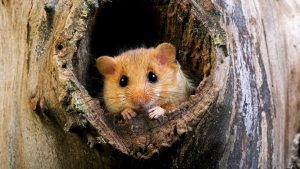
Certain species receive the highest level of protection under the Habitats Regulations. These include:
- Great crested newts
- Dormice
- Bats
- Otters
For example, great crested newts are fully protected, making it a criminal offence to kill, disturb, or damage their breeding or resting places . Works affecting these species often require surveys, mitigation strategies, and licences from statutory bodies such as Natural England.
Our Approach on Site
We integrate ecological best practice into every stage of our work:
1. Pre-Works Assessment
We identify ecological risks early, reviewing site features such as trees, hedgerows, ponds, and habitats with potential to support protected species.
2. Ecologist Collaboration
Where required, we work alongside qualified ecologists to carry out surveys and produce method statements.
3. Timing & Methodology
We programme works to avoid sensitive periods such as bird nesting season, and adapt techniques to minimise disturbance.
4. Licensing & Compliance
Where protected species are present, we ensure all necessary licences and mitigation measures are in place before works begin.
5. Toolbox Talks & Site Awareness
Our teams are trained to recognise ecological constraints and follow site-specific environmental controls.
Why This Matters
Failing to comply with wildlife legislation can lead to:
- Project delays
- Legal prosecution and fines
- Damage to reputation
More importantly, it risks harm to vulnerable species and habitats. By working proactively with ecology, we help protect biodiversity while keeping projects compliant and on track.
Conclusion
At Upton Specialised Tree Services, ecology is not an afterthought—it is a core part of how we operate. By understanding legislation, respecting wildlife, and working closely with ecological professionals, we ensure our work supports both our clients and the environment.